K-Pop music video production relies on a structured pipeline that integrates concept development, high-end cinematography, and complex visual effects to deliver global visual standards. This article outlines the multi-stage production workflow, technical specifications, and collaborative dynamics behind modern idol music video releases, written for industry observers and creative professionals. The information provided here is current as of mid-2026 and serves as an educational guide to contemporary music video engineering.
Key takeaways
- Pre-production defines the entire visual narrative through detailed storyboarding, CGI pre-visualization, and set architecture planning.
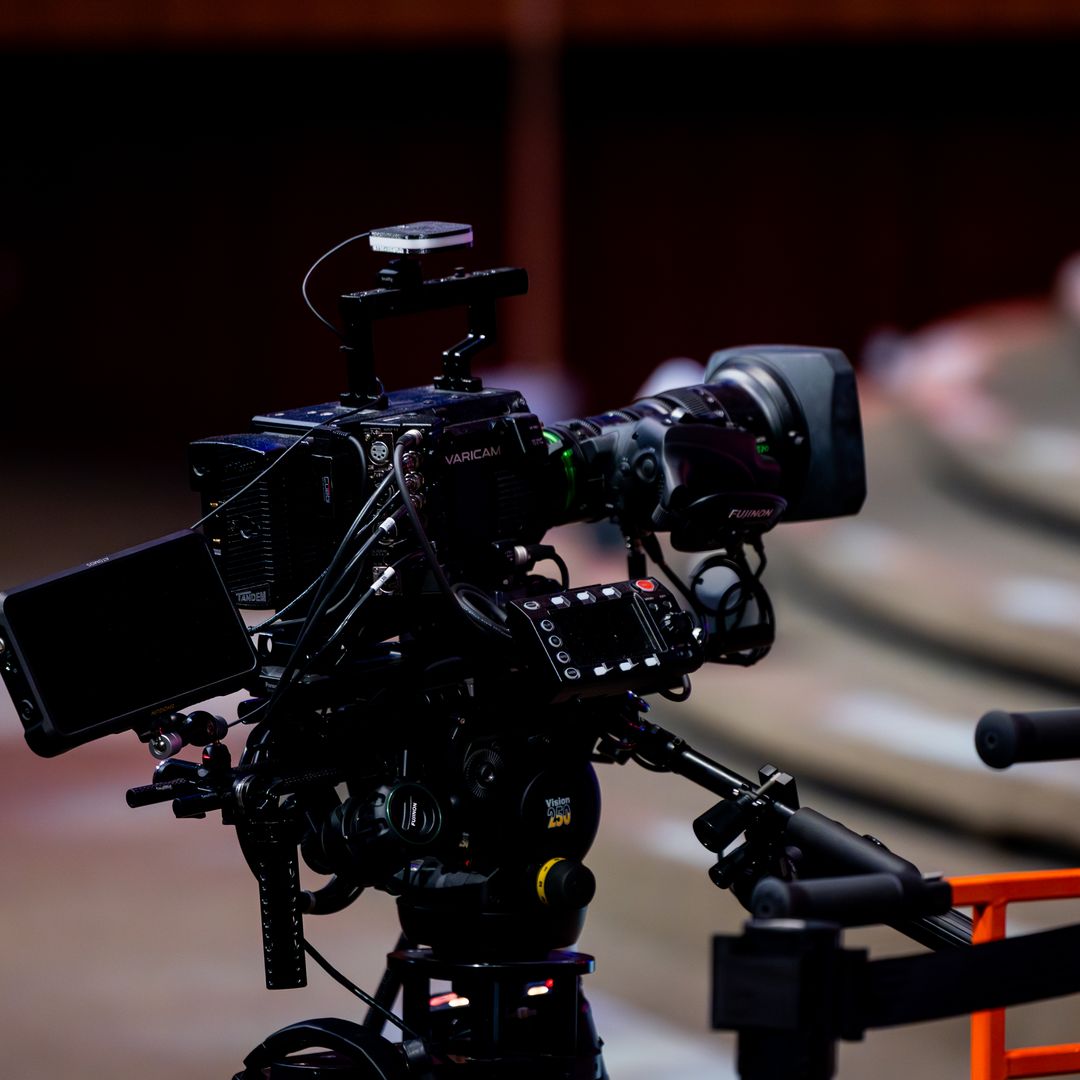
- Principal photography combines multi-camera setups, motion control rigs, and specialized lighting grids to capture synchronized choreography and dramatic close-ups.
- Post-production involves rigorous color grading, computer-generated imagery integration, and multi-channel audio synchronization.
- Strict delivery timelines demand synchronized scheduling between entertainment agencies, director units, and post-production houses.
Pre-Production and Concept Development
The creation of a K-Pop music video begins months before the physical shoot date. Entertainment agencies collaborate with external creative directors and production houses to establish a cohesive visual theme that aligns with the artist's upcoming album concept. This phase involves drafting comprehensive treatment documents, mood boards, and detailed shooting scripts.
Storyboarding is particularly crucial for maintaining rhythm during fast-paced editing. Because K-Pop tracks often feature sudden tempo shifts and intricate beat drops, directors map out camera movements and framing down to individual musical bars. Pre-visualization software is frequently employed to simulate virtual sets, lighting angles, and camera trajectories before physical construction begins.
Set Construction and Practical Special Effects
Physical set design is a cornerstone of high-budget K-Pop productions. Specialized art directors construct modular, multi-level sets on large soundstages to accommodate diverse performance scenarios and dynamic camera tracking. These physical builds often integrate mechanical elements such as rotating platforms, hydraulic lifts, and specialized kinetic props.
Practical effects technicians work alongside set designers to incorporate atmospheric enhancements safely. Standard practical elements include controlled pyrotechnics, atmospheric hazers, heavy-duty wind machines, and specialized water basins for splash choreography. Safety supervisors must be on set during these sequences to verify adherence to industry occupational safety standards.
Principal Photography and Camera Rigging
Shooting days are intensely structured, often spanning 24 to 48 hours of continuous production across multiple units. The primary camera crew typically utilizes high-end digital cinema cameras capable of capturing high-resolution footage at elevated frame rates for smooth slow-motion choreography sequences.
Essential On-Set Equipment
- Technocranes and Jibs: Used for sweeping overhead transitions and dynamic vertical movements across the dance formation.
- Gimbal Stabilizers: Handheld or vehicle-mounted rigs that allow operators to move fluidly through tight spaces alongside the performing artists.
- Motion Control Systems: Programmed robotic arms utilized for complex visual effects plates where exact camera repeatability is required.
- High-Speed Lighting Grids: DMX-controlled LED arrays programmed to shift color temperatures and intensity in real time with the backing track.
Choreography Integration and Performance Capture
Capturing K-Pop choreography requires specialized coordination between camera operators and the performing artists. Unlike traditional narrative filmmaking, the camera often becomes an active participant in the dance, moving in sync with the rhythm and highlighting formation changes.
Directors typically shoot multiple distinct versions of the performance. The primary master performance captures the complete choreography from a wide angle, while subsequent setups focus on individual members or specific close-up framing. This multi-pass approach ensures editors have sufficient coverage to match the energetic flow of the edited track.
Post-Production, VFX, and Final Delivery
Once principal photography concludes, the raw digital files enter a complex post-production pipeline. Editors assemble an initial offline cut based on the master audio track, ensuring every visual transition hits precise musical cues. Once the edit is locked, the project branches into distinct technical departments.
- Offline Editing: Assembling raw footage into a coherent sequence aligned with the song structure.
- Visual Effects (VFX) Integration: Adding computer-generated backgrounds, particle simulations, wire removals, and digital enhancements.
- Color Grading: Applying LUTs and secondary color corrections to establish the distinct mood and aesthetic identity of the project.
- Online Finishing and Mastering: Finalizing resolutions, exporting master files according to global broadcasting standards, and archiving project assets.
Actionable Checklist for Production Planning
- [ ] Confirm storyboard approval and sign off on all physical set design blueprints with the agency.
- [ ] Secure soundstage bookings and verify electrical power grid capacities for high-output lighting rigs.
- [ ] Establish a clear call sheet schedule detailing dancer rehearsal slots, wardrobe changes, and makeup sessions.
- [ ] Coordinate data wrangling protocols with the digital imaging technician (DIT) for secure on-site backup storage.
- [ ] Schedule review milestones with agency representatives for rough-cut edits and VFX progress updates.
Frequently asked questions
How long does the entire production process typically take from concept to release?
The timeline generally spans between six to twelve weeks, depending on the complexity of the visual effects and set construction requirements.
Why are multiple cameras used simultaneously during dance sequences?
Using multiple cameras allows production teams to capture different angles during a single performance take, ensuring consistency in lighting, styling, and artist energy.
Who holds the final creative approval over the music video edit?
The entertainment agency funding the project retains ultimate approval authority over the final cut, color grading, and visual effects content.
Before you decide
- mcst.go.kr Verify national cultural policy updates and public creative industry announcements.
- kocis.go.kr Review official state resources concerning international cultural exchange and content promotion.
- kostat.go.kr Access national economic metrics and creative sector statistical reports.
As of: June 2026
Disclaimer: This article is provided for informational and educational purposes only and does not constitute professional business, legal, or technical production advice. Readers should consult qualified industry professionals before undertaking commercial media production projects.
10 Recommended Products
This post contains Coupang Partners affiliate links. If you visit Coupang through one of these links and make a purchase within 24 hours, including a purchase of another eligible product, we may earn a commission at no additional cost to you. Attribution rules, cancellations and returns may affect commission eligibility. / 이 게시물에는 쿠팡 파트너스 제휴 링크가 포함되어 있습니다. 이 링크를 통해 쿠팡에 방문한 뒤 24시간 이내에 다른 상품을 구매하더라도 운영정책상 실적으로 인정되는 구매라면 수수료를 제공받을 수 있습니다. 구매 경로의 최종 기여, 주문 취소 및 반품 등에 따라 수수료가 인정되지 않을 수 있습니다.
A high-count probiotic product. Review the strains, storage instructions, and recommended serving.
Shop on CoupangA collagen supplement option. Check the collagen source, serving size, and ingredients.
Shop on CoupangA daily probiotic supplement in single-serve sticks. Review the strain information, ingredients, and suggested use on the label.
Shop on CoupangA lutein and zeaxanthin supplement. Review ingredient amounts and directions.
Shop on CoupangAn omega-3 supplement combined with vitamin D. Check the EPA/DHA amounts, ingredients, and suitability before use.
Shop on CoupangA calming daily toner with heartleaf for a balanced skincare routine.
Shop on CoupangA dual-texture essence for a hydrated, radiant-looking complexion.
Shop on CoupangA lightweight daily sunscreen for broad-spectrum UV protection.
Shop on CoupangA daily moisturizing cream set for comfortable, hydrated skin.
Shop on CoupangA hydrating toner for a fresh, moisture-focused routine.
Shop on CoupangCoupang’s trademarks are used under license from Coupang, LLC or its affiliates.


댓글
댓글 쓰기